
Chiropractic techniques
Dry Needling in Gouda
Long-term muscle tension can cause pain, stiffness, and restricted movement. Sometimes the cause lies not only in a joint, but in small, cramped areas in a muscle. Dry Needling is an effective treatment method to specifically relax these muscle knots.
What is Dry Needling?
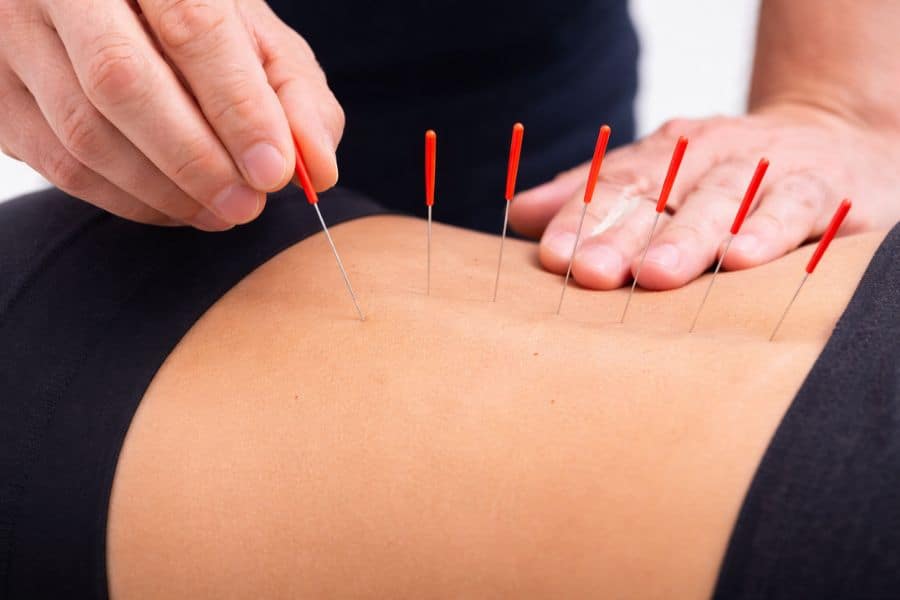
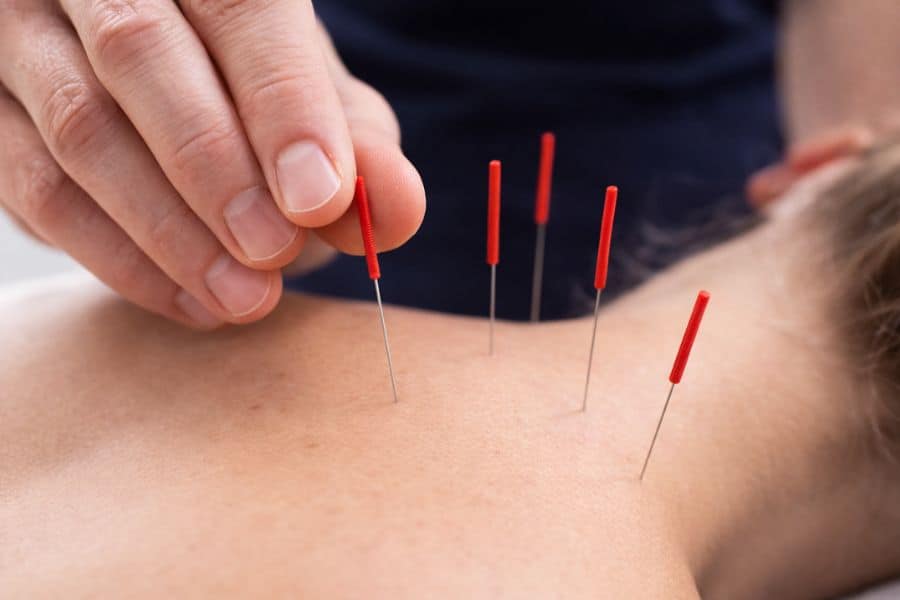
Dry Needling is a treatment technique in which a trigger point in the muscle is needled using a thin, sterile needle.
Important to know:
No fluid is injected
The needle is very thin
The treatment is focused on muscle relaxation
The goal is to reduce muscle tension and restore normal muscle function.
What are trigger points?
Trigger points are small, overactive areas in a muscle. They can arise due to:
Overuse
Prolonged tension
Stress
Poor posture
Injuries
These muscle knots can:
Cause local pain
Cause radiating pain
Cause restricted movement
Cause muscle fatigue
Treating only the joint is sometimes not enough when the muscle is actively involved.
Which complaints is Dry Needling suitable for?
Dry Needling in Gouda is often used for:
Neck and shoulder complaints
Tension headaches
Lower back pain
Buttock and leg complaints
Sports injuries
Chronic muscle tension
RSI-related complaints
Dry needling is often combined with chiropractic adjustments to address both the joint and muscle components.
How does Dry Needling work?
When a trigger point is needled, the muscle may briefly contract. This is called a “local twitch response”.
This response can help with:
Relaxation of the muscle
Improved blood flow
Reduction of pain
Restoration of normal muscle function
After treatment, the muscle may feel temporarily sensitive, similar to muscle soreness after intense exercise.
When do we choose Dry Needling?
Within our practice in Gouda, we choose dry needling when:
Muscle tension is maintaining the complaint
Trigger points are clearly present
Joint correction alone has insufficient effect
Sports-related muscle complaints are present
Because we offer multiple treatment techniques, we can treat both the joint and muscle components. That makes the approach more complete.
What can you expect during a treatment?
A treatment starts with:
Analysis of the complaint
Movement assessment
Locating trigger points
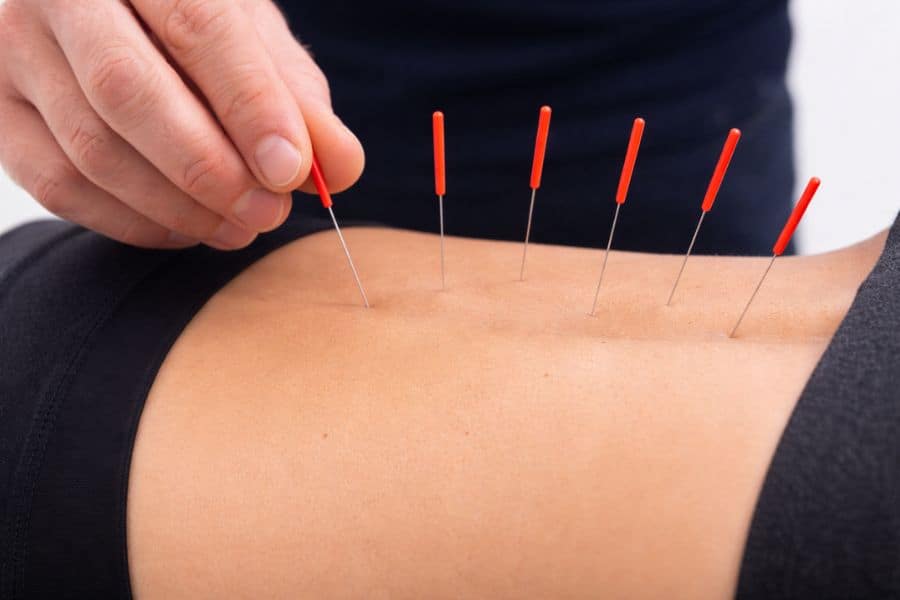
The needle is then placed precisely into the muscle. The treatment usually lasts only a short time per muscle.
You may experience:
A brief contraction
A dull or heavy sensation
Temporary tenderness
Many people notice a clear reduction in tension within a few days.
Is Dry Needling safe?
Yes, provided it is performed by a well-trained practitioner.
The treatment:
Is only used when indicated
Is avoided in certain medical contraindications
Is performed with sterile disposable needles
It is always assessed beforehand whether dry needling is suitable for your situation.


“Chiropractic is not about treating symptoms,
but about correcting the cause.”
Why Dry Needling in Gouda?
What makes this technique effective is not only the correction itself, but the right diagnosis beforehand.
At Chiropractie Blaauw, we look at:
The cause of the complaint
The relationship with the nervous system
Posture and daily load
Any previous injuries
Because we master multiple techniques, we can always choose what fits best. Dry Needling is one of the options within a broader treatment toolkit.

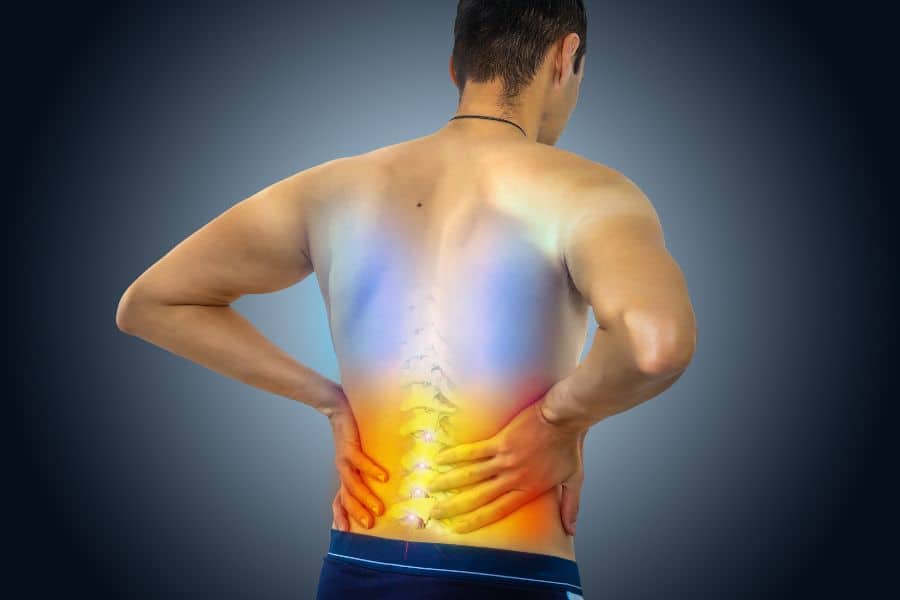
Who is Dry Needling suitable for?
Dry Needling is suitable for:
Athletes
People with a sedentary job
People with chronic neck or shoulder complaints
People with recurring tension complaints
The technique can be part of a short course of treatment or be integrated into a more extensive treatment plan.
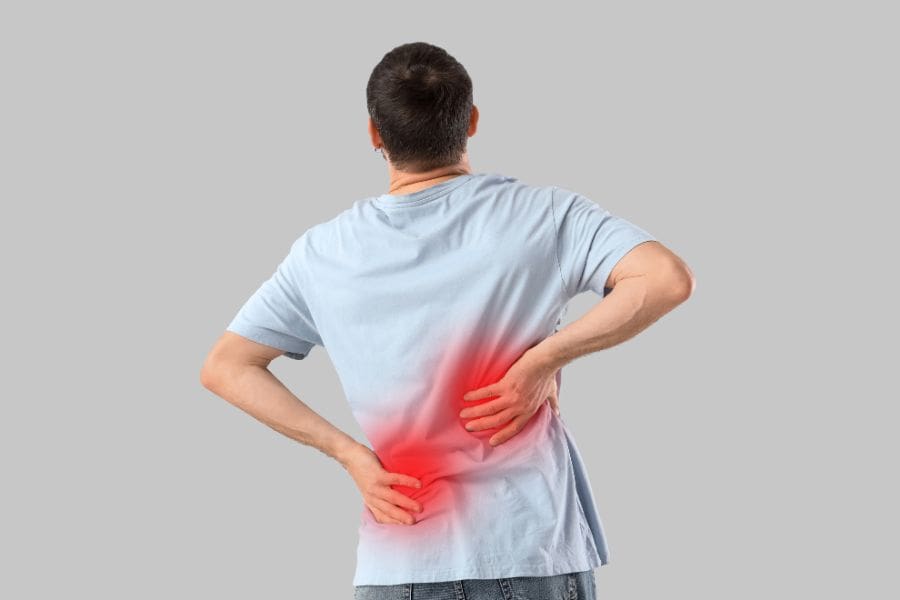
Within chiropractic, a disruption in the function of the nervous system is also called a subluxation complex.
Schedule an appointment for Dry Needling in Gouda
Are you suffering from persistent muscle tension or trigger points? Get in touch for an intake and personal advice.
FAQ
Frequently asked questions
Is Dry Needling the same as acupuncture?
No. Dry Needling focuses specifically on muscles and trigger points, not on meridians.
Does it hurt?
The needle itself is usually barely noticeable. The muscle response may be briefly sensitive.
How soon will I notice results?
Many people notice a difference within a few days.