
Chiropractic techniques
Gonstead chiropractic in Gouda
Sometimes a complaint is not the result of multiple blockages, but of one specific vertebra that isn’t functioning properly. The Gonstead technique was developed to analyse very precisely which segment actually needs correction.
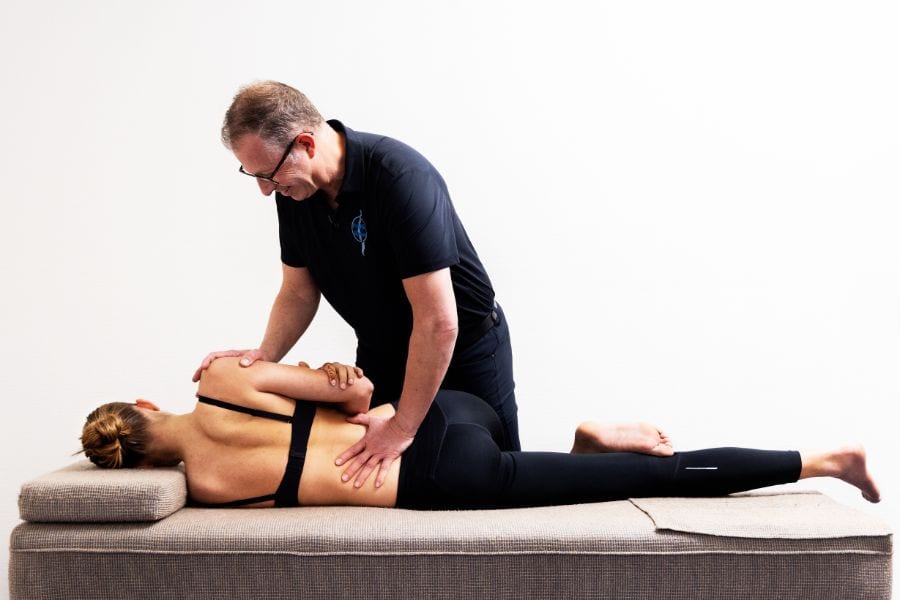
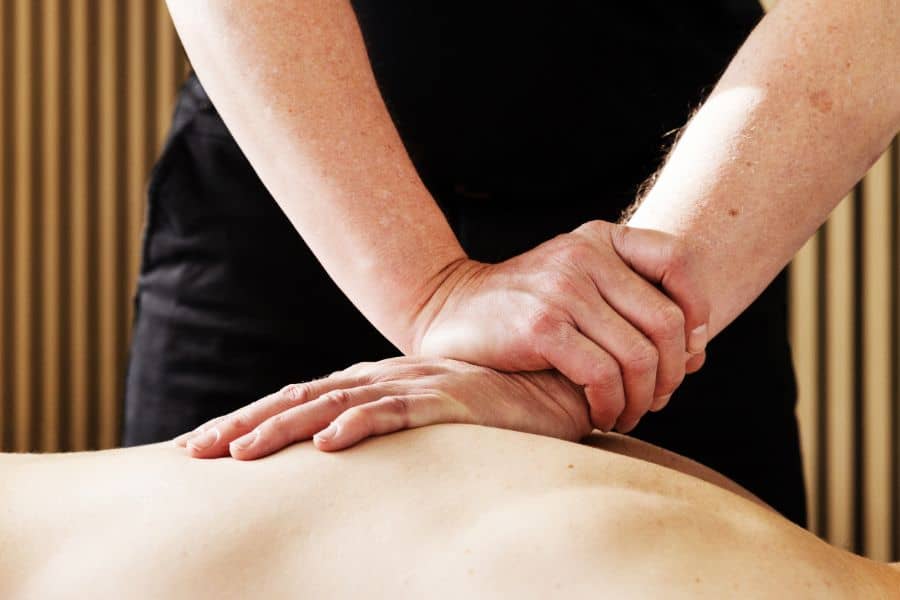
What is the Gonstead technique?
The Gonstead method is a chiropractic technique that focuses on:
Detailed analysis
Segment-specific correction
Maximum precision
Instead of mobilising multiple vertebrae, the exact vertebra causing the complaint is identified. Only that segment is corrected.
Characteristic is the combination of:
Postural analysis
Motion assessment
Palpation (feeling for loss of movement)
Imaging if available
Which complaints is Gonstead chiropractic suitable for?
The Gonstead technique in Gouda is often used for:
Chronic lower back pain
Recurring neck complaints
Sciatica
Postural problems
One-sided blockages
Long-standing complaints without clear results from other treatment methods
Because the technique is so specific, it is often used for people who have been experiencing complaints for a longer time.
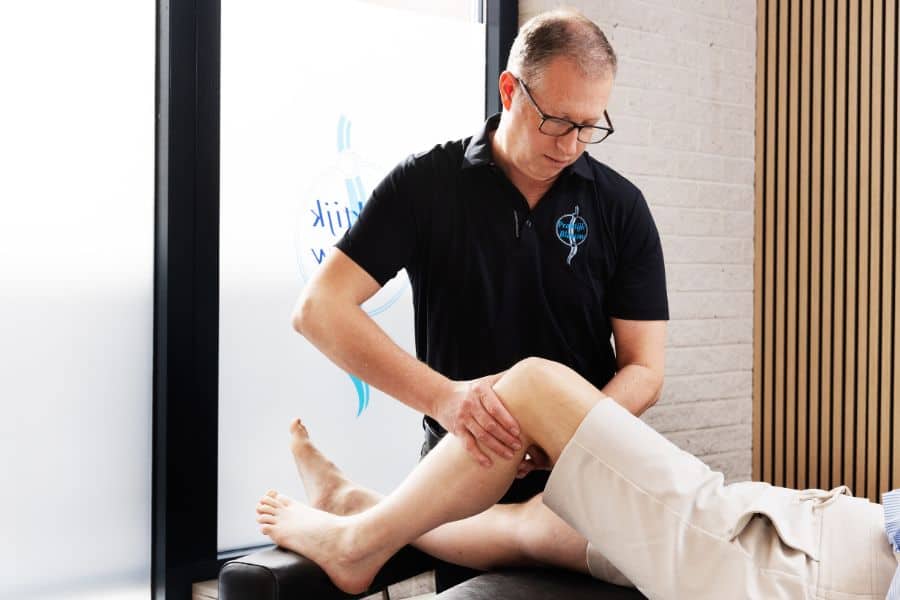
How does the Gonstead correction work?
When a specific vertebra does not move properly, this can lead to:
Increased muscle tension
Pressure on surrounding nerves
Reduced stability
Compensation in other parts of the body
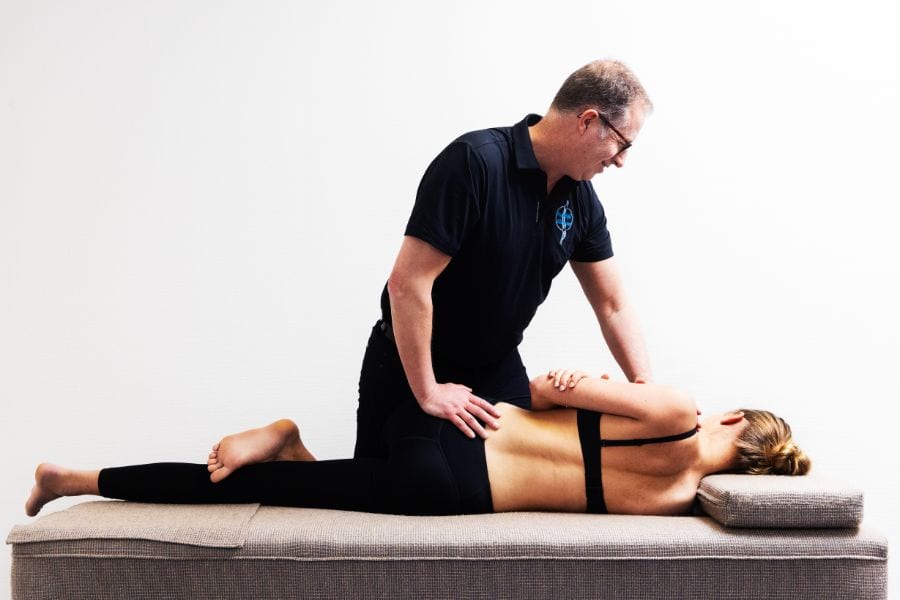
The Gonstead correction consists of a targeted, short impulse to precisely that segment.
What sets this technique apart:
Highly targeted positioning
Correction in a specific direction
Minimal “extra” movement
The correction is precisely tailored to the biomechanics of the vertebra in question.

When do we choose Gonstead chiropractic?
This technique is often chosen when:
Complaints have been present for a longer time
There are recurring blockages
A specific segment clearly seems responsible
Precision is more important than general mobilisation
Within our practice in Gouda, we combine this method with other techniques when needed for optimal results.
What can you expect during a treatment?
A Gonstead treatment starts with an extensive analysis. This may include:
Posture check
Motion assessment
Specific pressure tests
If applicable, assessment of previously taken MRI scans or X-rays
Only when it is clear which segment needs to be treated does the correction follow.
The correction itself is short and powerful, but very controlled.
Afterwards, many people experience:
Immediate relief
More stability
Less radiating pain
Sometimes a mild muscle reaction may occur, similar to muscle soreness.
Is the Gonstead technique safe?
Yes. Precisely because of the extensive analysis beforehand, this technique is highly controlled.
The correction is:
Only performed when indicated
Adapted to age and load capacity
Avoided in case of contraindications
Safety and care always come first.

“Chiropractic is not about treating symptoms,
but about correcting the cause.”
Why Gonstead chiropractic in Gouda?
What makes this technique effective is not only the adjustment itself, but the correct diagnosis beforehand.
At Chiropractie Blaauw we look at:
The cause of the complaint
The relationship with the nervous system
Posture and daily load
Any previous injuries
Because we master multiple techniques, we can always choose what fits best. Gonstead is one of the options within a broader treatment arsenal.
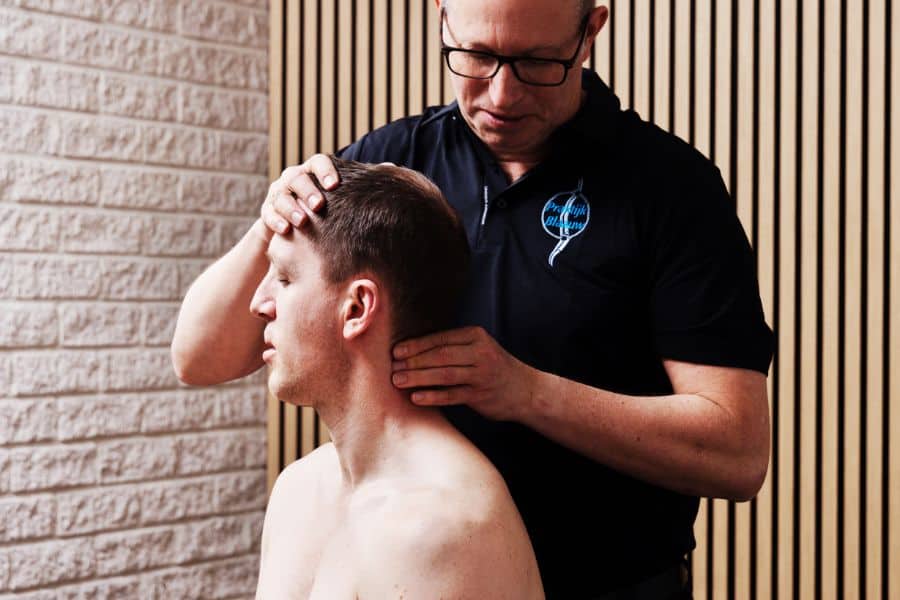

Who is this technique suitable for?
Gonstead chiropractic is suitable for:
Adults with chronic complaints
People with a sedentary job
Athletes with one-sided strain
People with recurring lower back complaints
For vulnerable patients, we sometimes choose gentler techniques.

Within chiropractic, a disruption in the function of the nervous system is also called a subluxation complex.
Schedule an appointment for Gonstead chiropractic in Gouda
Do you have long-term or recurring complaints and want to know whether a specific spinal adjustment can help? Get in touch for an intake and personal advice.
FAQ
Frequently asked questions
Is this technique more forceful than other techniques?
The Gonstead technique is known for its precision and targeted approach. From the outside, that can sometimes seem “more forceful,” because the adjustment is performed very specifically and often with a clear, quick impulse.
Does a scan always need to be done?
No, only when this is medically necessary or already available.
How quickly will I notice results?
That varies depending on the complaint and how long you’ve had the symptoms.