A common cause of lower back and pelvic complaints
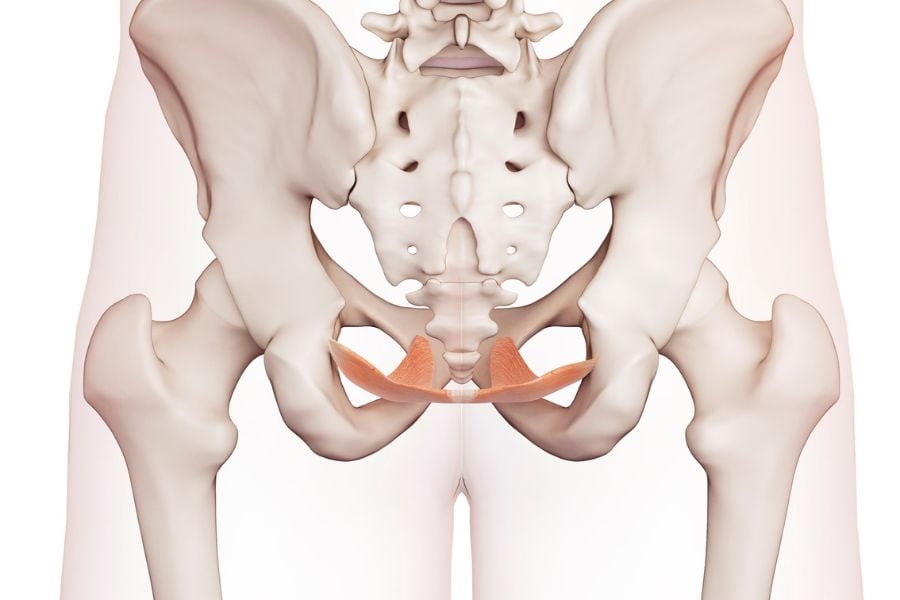
Pain in the SI joint is common and can be persistent. The SI joints (sacroiliac joints) are located at the back of the pelvis and connect the sacrum to the two pelvic or hip bones. These joints play an important role in stability and in transferring forces between the torso and the legs.
When the SI joint is not functioning properly, it can cause pain in the lower back, pelvis, or leg.
How does SI joint pain develop?
SI complaints can develop in different ways. In practice, we mainly see two forms: too much mobility or, conversely, a blockage of the SI joint.
Overly mobile SI joint (hypermobility)
The SI joint can become too mobile, for example during or after pregnancy. Due to hormonal changes, the ligaments around the pelvis become more relaxed, which can lead to pelvic instability and pain.
Blocked SI joint
The SI joint can also become stuck. This can be caused by:
- a fall
- a sports- or work-related accident
- an awkward movement
The ligaments around the SI joint are normally strong, but they are sensitive to stretching and small tears. When these structures are damaged, a pelvic misalignment can develop.
Pelvic misalignment and apparent leg length difference
With a pelvic misalignment, it can sometimes seem as if one leg is shorter than the other. This is called a functional (not anatomical) leg length difference . In reality, the leg is not shorter, but appears so due to the rotation of the pelvis.
This misalignment creates additional sideways forces on the spine. As a result, complaints can develop not only in the lower back, but also in the upper back and neck.
A common mistake is placing an insole or heel lift under the ‘shorter’ leg. This may seem logical, but often worsens symptoms because the cause—the pelvic alignment—is not addressed.
Where can you feel pain with SI complaints?
Pain originating from the SI joint can radiate to different areas, such as:
- pain around the level of the beltline
- groin pain
- pain around the pubic bone
- local buttock pain
- pain radiating into the leg
Symptoms often worsen with prolonged sitting, standing, bending or lifting. Moving and walking often provide relief.
Treatment for SI joint pain
In many cases, SI joint complaints can be treated effectively. Treatment focuses on restoring proper function and stability of the pelvis.
Our chiropractors carefully assess:
- the position and mobility of the pelvis
- how it works together with the spine
- the load on surrounding structures
Based on this, we create a personalised treatment plan, tailored to your situation and capacity.
Make an appointment for SI joint complaints
Do you have pain around your pelvis, lower back or the SI joint and would you like to know what’s going on?
You can easily make an appointment at our clinic for a thorough assessment and honest advice.
Questions about treatment? Feel free to get in touch via the contact form or call 0182 – 570124.