Hip complaints are more common among athletes than many people think. Sometimes they start suddenly, but more often they build up gradually. At first you may feel some stiffness or a dull ache; later, moving becomes more difficult and sport can even become painful. Still, the hip is rarely the only issue.
Why the hip plays such a central role
The hip forms the link between the upper and lower body. In almost every sporting movement—running, jumping, turning, or generating force—the hip plays a key role. If the hip doesn’t move optimally or isn’t properly controlled, the body has to compensate. That compensation often leads to symptoms.
Common causes of hip complaints
Hip complaints in athletes usually arise from a combination of factors:
- one-sided or repetitive loading
- insufficient recovery time
- reduced pelvic stability
- limited mobility of the spine
- muscle imbalance around the hip and core
- differences between the left and right side
Even small limitations can have major consequences with intense, repeated movement.
Symptoms that are often seen
Athletes with hip complaints may experience, among other things:
- pain in the groin or on the side of the hip
- stiffness when starting to move or after exertion
- pain when turning, sprinting, or climbing stairs
- radiating pain into the upper thigh or buttock
- a feeling of instability or lack of strength
The symptoms often increase with load and do not always fully disappear with rest.
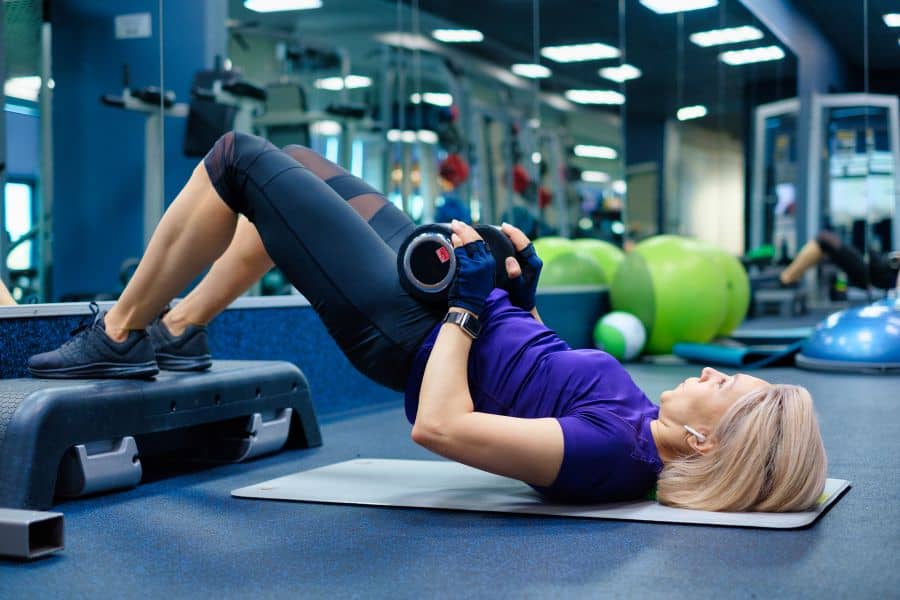
Why rest alone is not enough
Rest can reduce pain temporarily, but if the underlying cause remains, the complaints often return as soon as you start exercising again. That’s because:
- movement restrictions are not resolved
- muscle control does not recover
- compensation patterns remain
Without functional recovery, the hip remains vulnerable.
The influence of the pelvis, spine, and the movement chain
The hip works closely with the pelvis and the spine. A dysfunction in these areas can lead to:
- uneven loading of the hips
- reduced force transfer
- increased muscle tension
- faster fatigue
Hip complaints can, for example, arise from a misalignment of the pelvis, as a result of trauma or an underlying problem in the back.
In addition, problems in other parts of the body can also play a role. Think of:
- foot posture or ankle problems
- knee complaints
- abnormal walking patterns
And the same applies the other way around: hip complaints can in turn cause problems in the knees, feet, or lower back.
The body functions as one whole. That’s why it’s important not only to look at the location of the pain, but at the entire movement chain. Only then does it become clear what is the cause and what is the effect.
The hip often absorbs disruptions in this chain and therefore becomes overloaded more quickly.
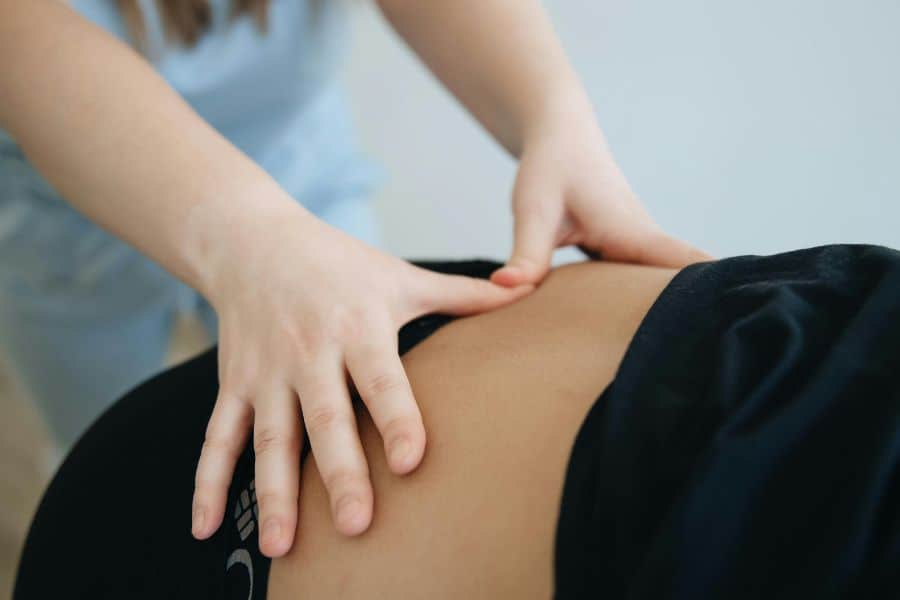
What can chiropractic care mean for hip complaints?
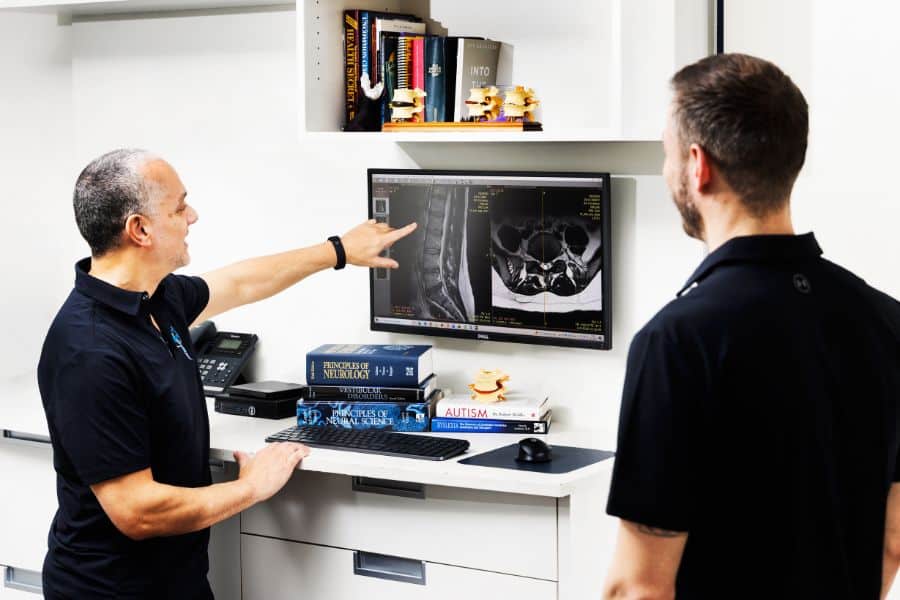
With a chiropractic approach, we don’t just look at the hip, but at the complete movement pattern. This includes examining:
- how the spine and pelvis move
- whether nerve signals are transmitted properly
- how the hips, knees, and trunk work together
- where compensations arise
By improving these functions, the load can be distributed more evenly and the hip gets the opportunity to recover sustainably.
Hip complaints are often a signal
Hip complaints in athletes are rarely a coincidence. They are often a signal that the body isn’t functioning optimally somewhere. By looking beyond just the painful area, you can prevent complaints from returning and keep playing sports with confidence.
Questions or want to book an appointment?
Do hip complaints keep limiting your sport?
At Chiropractie Blaauw we look at the cause behind the complaint.
Feel free to get in touch via email or call 0182 – 570124.