
During pregnancy, your body is constantly changing. It’s not just your belly that grows—your posture adapts too. As a result, many women notice neck and shoulder symptoms developing or getting worse. These issues often creep in gradually and are only taken seriously once they start to limit day-to-day functioning.
Why your posture changes during pregnancy
As your pregnancy progresses:
- your centre of gravity shifts forward
- your pelvic position changes
- tension increases in your back and core muscles
- you unconsciously start standing and sitting differently
To stay balanced, your body starts to compensate. Shoulders often round forward and the head is carried slightly more forward. That may seem harmless, but it puts continuous strain on the neck and shoulders.
How this causes neck and shoulder symptoms
The neck and shoulders have to carry the weight of the head and provide stability. With a changed posture:
- muscles remain tense for long periods
- mobility in the upper back decreases
- joints and muscles become overloaded more quickly
This can lead to pain, stiffness, and a heavy or tired feeling in the neck and shoulders.
Symptoms that often occur
During pregnancy, many women recognise:
- a stiff or painful neck
- tension between the shoulder blades
- a nagging shoulder ache
- headaches that seem to come from the neck
- difficulty relaxing, especially at the end of the day
These symptoms often get worse when sitting, working at a screen, or at night in bed.
Why rest alone is often not enough
Lying down for a while or getting a massage can bring temporary relief, but:
- your posture doesn’t automatically return to normal
- the strain keeps returning every day
- compensation patterns remain in place
Without addressing the underlying cause, symptoms often persist until after delivery—and sometimes even beyond.
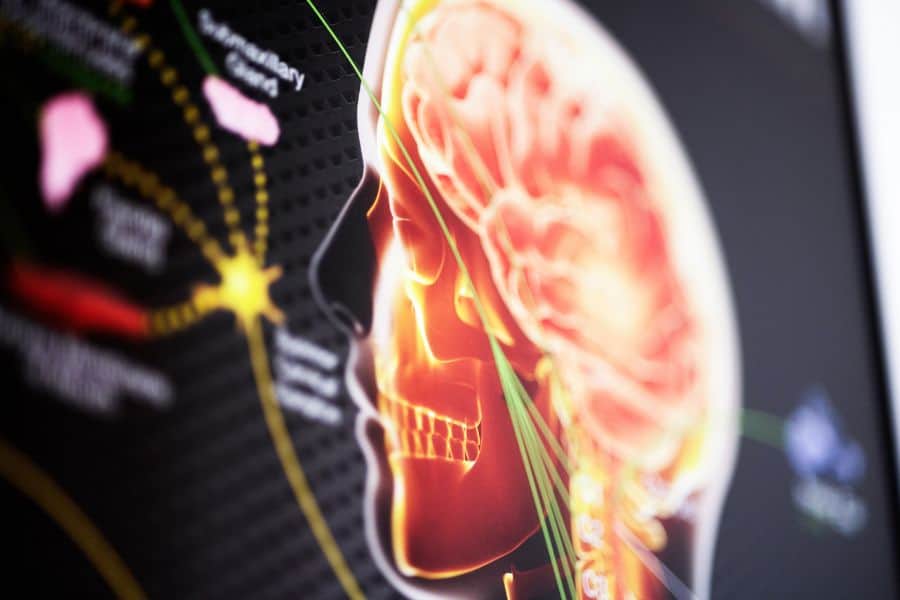
The role of the upper back and nervous system
The neck, shoulders, and upper back work closely together. If the upper back moves less, the neck has to compensate even more. In addition, the nervous system plays an important role in:
- muscle tension
- coordination
- relaxation
Disrupted coordination can make it difficult for muscles to relax, even at rest.
What can chiropractic care do for these symptoms?
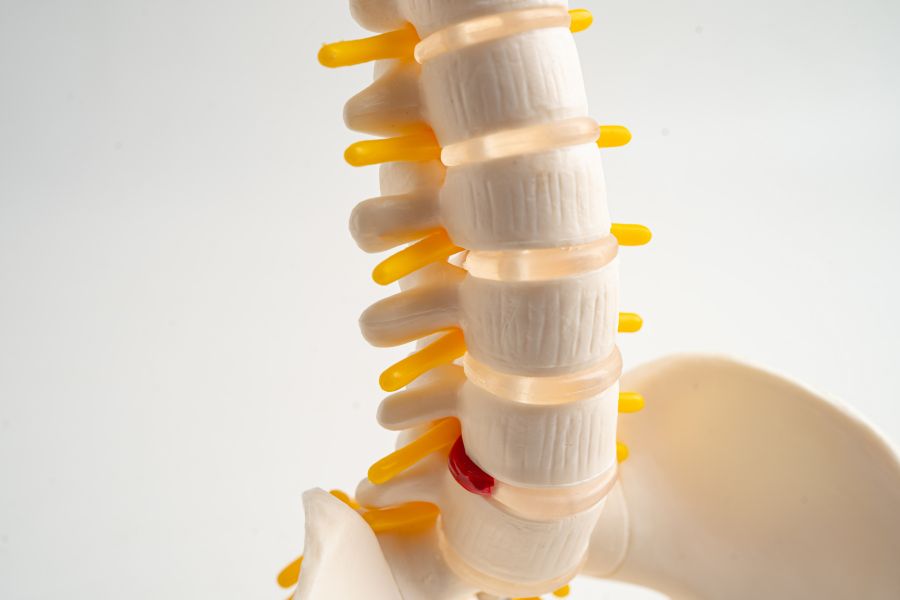
Chiropractic care focuses on the function of the spine and the nervous system. For neck and shoulder symptoms during pregnancy, we look at:
- mobility of the neck and upper back
- posture and load
- the coordination between muscles and joints
Treatment is gentle, controlled, and fully tailored to your stage of pregnancy. The goal is not only pain relief, but also supporting better posture and freedom of movement.
Can this help prevent symptoms as well?
Yes. By paying attention to posture and function early on, you can:
- prevent symptoms from getting worse
- distribute tension more effectively
- keep moving more comfortably
Many women experience more ease in their neck and shoulders throughout pregnancy as a result.
Posture plays a bigger role than you think
Neck and shoulder symptoms during pregnancy are often caused by subtle changes in posture. They are signals that your body needs support in adapting to pregnancy. By looking beyond the painful area, symptoms can reduce and you don’t have to keep walking around with them.
Questions or personal advice?
Do you have neck or shoulder symptoms during your pregnancy and are you unsure what’s best?
At Chiropractie Blaauw we’re happy to think along with you.
Feel free to get in touch via the contact form or call 0182 – 570124.