
We all know muscle soreness. After an intense workout, a long day at work, or an unusual movement, you may end up with stiff, tender muscles. Usually, this is harmless and goes away on its own. But sometimes the pain keeps coming back or feels different from what you’re used to. So when is muscle soreness no longer just normal muscle soreness?
What is normal muscle soreness?
Normal muscle soreness often develops 12 to 48 hours after exercise. This is also called delayed-onset muscle soreness (DOMS). You may notice:
- stiffness
- a dull ache or tender muscle
- mild pain when moving or touching the area
This soreness is caused by tiny tears in the muscle fibers and is part of the recovery process. Within a few days, the pain naturally decreases.
When does muscle soreness become a concern?
Muscle soreness is usually temporary. If the pain does not improve, or keeps coming back without a clear reason, there may be more going on.
Signs that muscle soreness may not be just normal muscle soreness:
- the pain lasts longer than a week
- the pain increases instead of decreasing
- moving becomes increasingly difficult
- the pain radiates into your arm, leg, or buttock
- there is tingling, numbness, or loss of strength
- rest or gentle movement doesn’t help
In these cases, it’s important to look beyond the muscle itself.
Muscle soreness or a problem elsewhere?
What is often experienced as muscle soreness can also be the result of:
- a restriction in joint movement
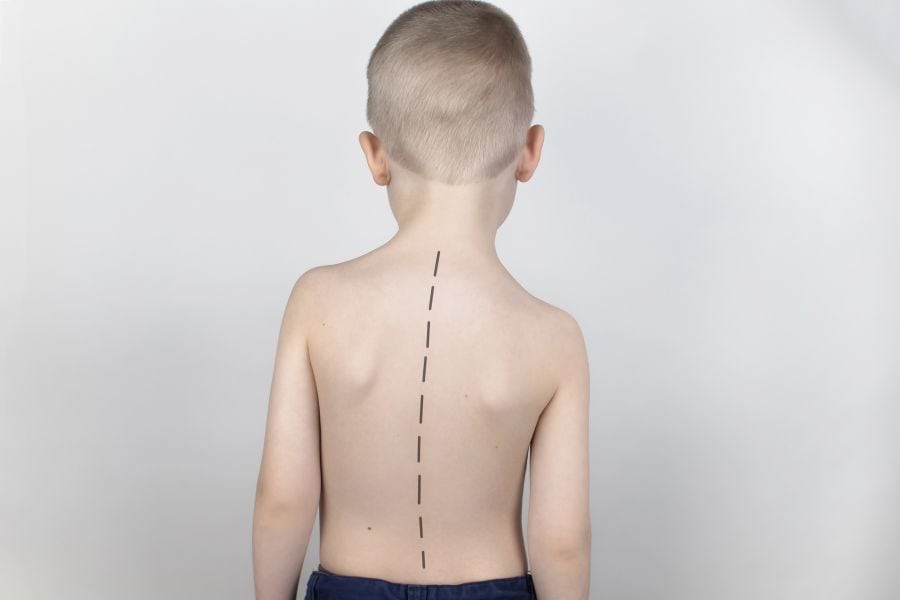
- a blockage in the spine
- overuse of tendons or connective tissue
- nerve irritation
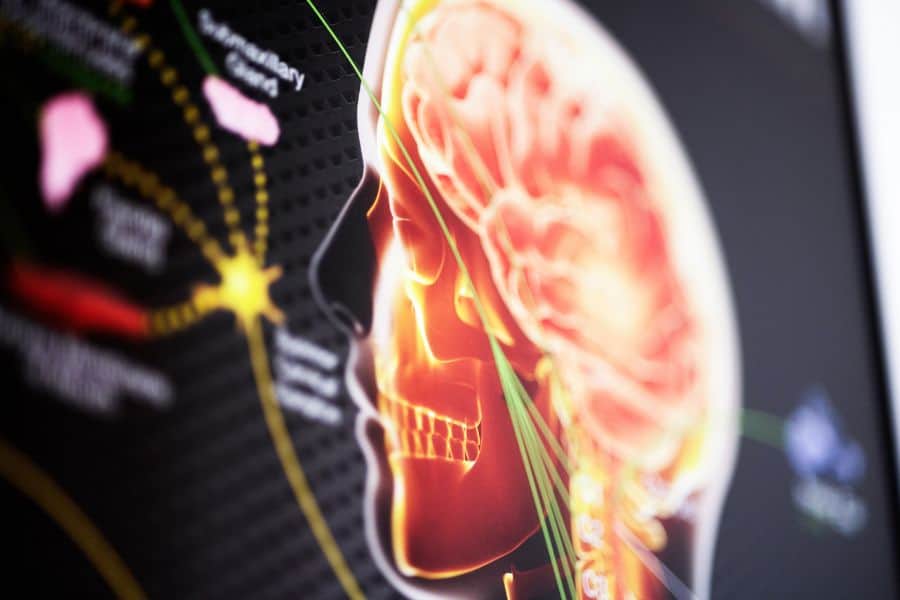
Muscles never work in isolation. They respond to signals from the nervous system. When those signals are disrupted, muscles can remain tense or become repeatedly overloaded, even without heavy exertion.
Why does the pain keep coming back?
Recurring “muscle pain” often occurs because the cause isn’t in the muscle itself. The muscle is compensating for a problem elsewhere, for example in the back, neck, pelvis, or another joint.
As long as this underlying disruption remains, the muscle will keep responding with tension and pain. Stretching or massage may sometimes provide temporary relief, but it doesn’t solve the problem in a lasting way.
When is it wise to take action?
It’s wise to have further assessment when:
- muscle pain interferes with your daily activities
- symptoms keep returning in the same spot
- pain is accompanied by stiffness or loss of movement
- you start to feel unsure about moving
The longer you wait, the greater the chance that your body will keep relying on the wrong compensations.
What can chiropractic care mean in this situation?
A chiropractic assessment looks at:
- the mobility of the spine and joints
- how the muscles and nervous system work together
- possible compensation patterns
By restoring movement function and reducing nerve irritation, muscles get the chance to relax and function normally again. Treatment therefore focuses not only on where it hurts, but on the cause of the overload.
Listen to your body
Muscle soreness can sometimes come with exercise. But if pain persists, worsens, or keeps coming back, it’s important to look further. What starts as “ordinary muscle soreness” can be a sign that the body is getting stuck somewhere.
Questions or would you like to book an appointment?
Are you unsure whether your muscle pain is just normal muscle soreness?
You’re welcome at Chiropractie Blaauw for a thorough assessment and honest advice.
Feel free to get in touch via the contact form or call 0182 – 570124.