Headaches are common and can have different causes in both younger and older people. There are various types of headache, with tension-type headache being the most common.
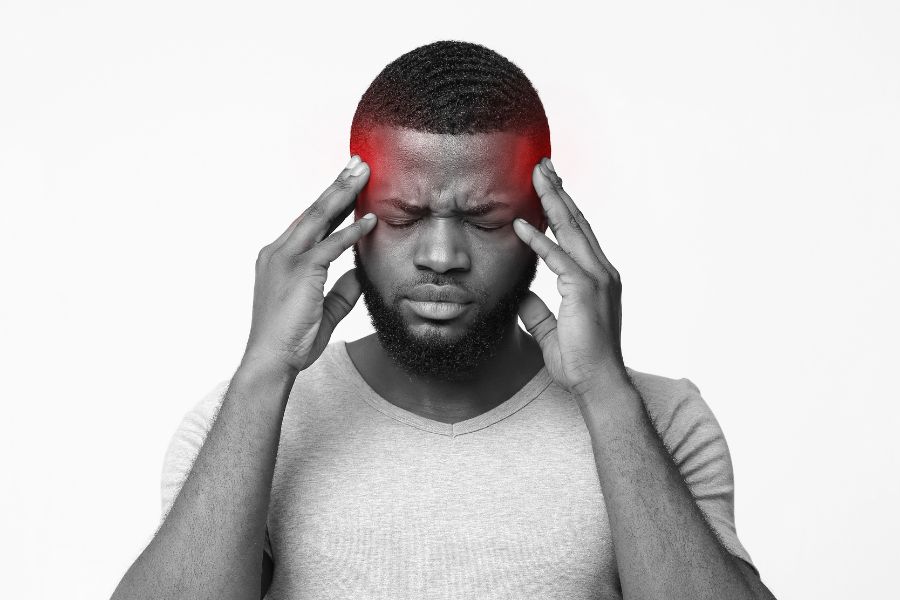
How a headache is experienced differs from person to person. Still, there are clear similarities with tension-type headache.
What are the characteristics of tension-type headache?
With tension-type headache, you often experience:
- pain on both sides of the head
- a dull, pressure-like pain
- the feeling as if there is a tight band around the head
Although stress plays an important role in tension-type headache, it is rarely the only factor. Tension can lead to increased muscle tension in the neck and shoulders.
When the mobility of the cervical vertebrae and upper back decreases, nearby nerves can become irritated. This nerve irritation from the neck is often a contributing cause of tension-type headache. In some cases, the headache may also be related to the jaw joint.
Headache originating from the neck
Headaches can also arise due to local overuse of the neck. This may, for example, be the result of:
- a prolonged poor posture
- an accident or fall
- sudden overexertion
In these situations, the neck becomes tense or less mobile, which can trigger headaches or keep them going.
Cervicogenic headache
A specific type of headache that originates from the neck is cervicogenic headache.
In this type, the following factors play a role, among others:
- restrictions in the cervical vertebrae
- changes in muscle tension
- reduced mobility of the neck
The pain often radiates from the neck to the head and is frequently present on one side.
Not all headaches due to neck strain are directly cervicogenic, but cervicogenic headache always arises from a functional problem in the neck. This type of headache is often confused with tension-type headache, while the cause actually lies in the neck. In practice, we see this type of headache regularly.
Migraine: another type of headache
Migraine is clearly different from tension-type headache. With migraine, you may experience:
- sensitivity to light and sound
- nausea or vomiting
- throbbing or stabbing pain, often on one side of the head
Some people notice that certain triggers can bring on a migraine attack. Think of alcohol (such as wine), chocolate, cheese, stress, or hormonal changes.
In addition, physical factors can also play a role. Tension or dysfunction in the neck and shoulders can be a trigger for migraine in some people.
In those cases, the goal is not always to “cure” migraine completely, but to reduce triggers. This can reduce the frequency, duration, and intensity of attacks.
What happens during a migraine?
The cause of migraine is probably found in a change in the diameter of the blood vessels in the head. After a narrowing, the brain arteries dilate, which causes the pain.
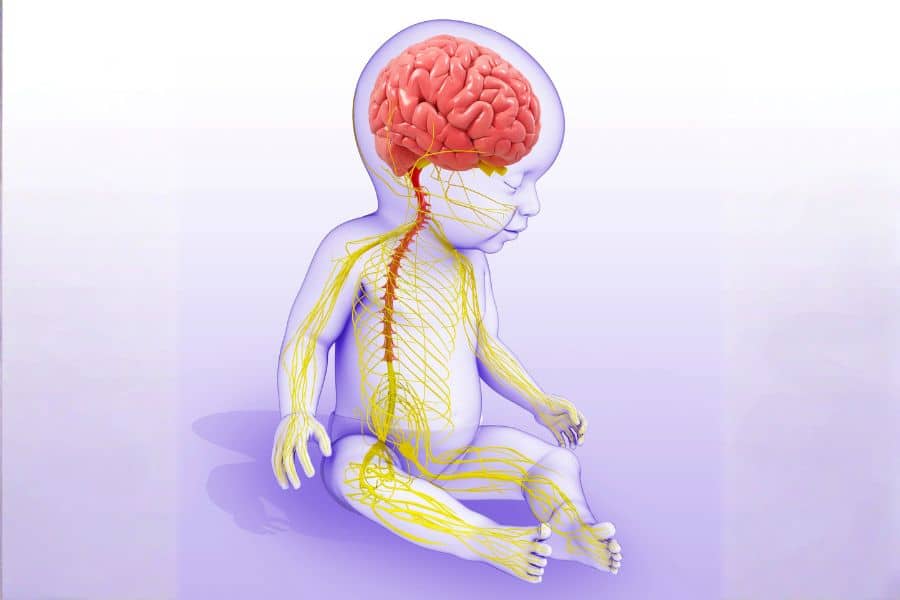
The nerves that influence these blood vessels run from the neck and upper back to the brain. When there are blockages or dysfunctions here, the nervous system can become overstimulated. This can contribute to the onset or worsening of migraine symptoms.
Cluster headache
Cluster headache is less common, but is known as one of the most severe forms of headache.
Characteristics include:
- very intense pain, often around one eye
- attacks that occur in clusters (periods)
- restlessness during an attack
Cluster headache is often difficult to treat, including within conventional medicine.
Although chiropractic care does not offer a direct solution, in some cases it may help reduce the frequency or severity of attacks. Muscle tension in the neck and shoulders can play a role as a trigger.
The role of the shoulders in headaches
What is often underestimated is the influence of the shoulders on headache symptoms. The arm, shoulder, and neck together form a biomechanical chain. Many muscles run across multiple areas at once and directly affect each other.
As a result, a shoulder joint that isn’t functioning properly can:
- cause extra tension in the neck
- limit the range of motion in the neck
- contribute to the onset of headaches
Neck and shoulder complaints can also play a role in triggering migraine. By looking not only at the neck but at the entire chain, the chances increase that the real cause of the symptoms will be addressed.
Chiropractic treatment for headaches and migraine
Because headaches can have different causes, it is important to look beyond just where the pain is. A targeted analysis of the entire musculoskeletal system helps identify the underlying cause.
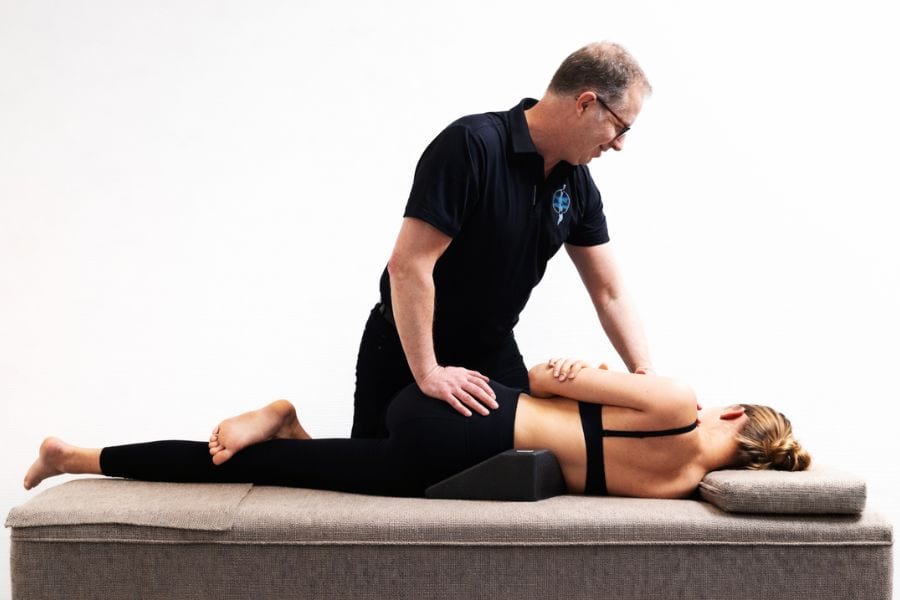
Chiropractic treatment focuses on restoring movement function in the neck, upper back, and shoulders, and reducing nerve irritation.
By improving dysfunctions in these areas, it may:
- reduce muscle tension
- improve how the nervous system processes stimuli
- reduce strain on the head
For many people, this leads to:
- a reduction in headache complaints
- less frequent or less intense migraines
- more relaxation in the neck and shoulders
Treatment is always tailored to your symptoms and situation.
Book an appointment for headaches or migraine
Do you suffer from headaches or migraine and want to know what’s possible in your situation?
You can easily book an appointment at our clinic for a thorough examination and personal advice.
Questions about headaches or migraine?
Feel free to contact us via the contact form or call 0182 – 570124.