Tennis elbow sounds like an injury for die-hard tennis players. Yet most people with tennis elbow have never even held a racket. How is that possible? And why does this complaint so often keep coming back?
What exactly is tennis elbow?
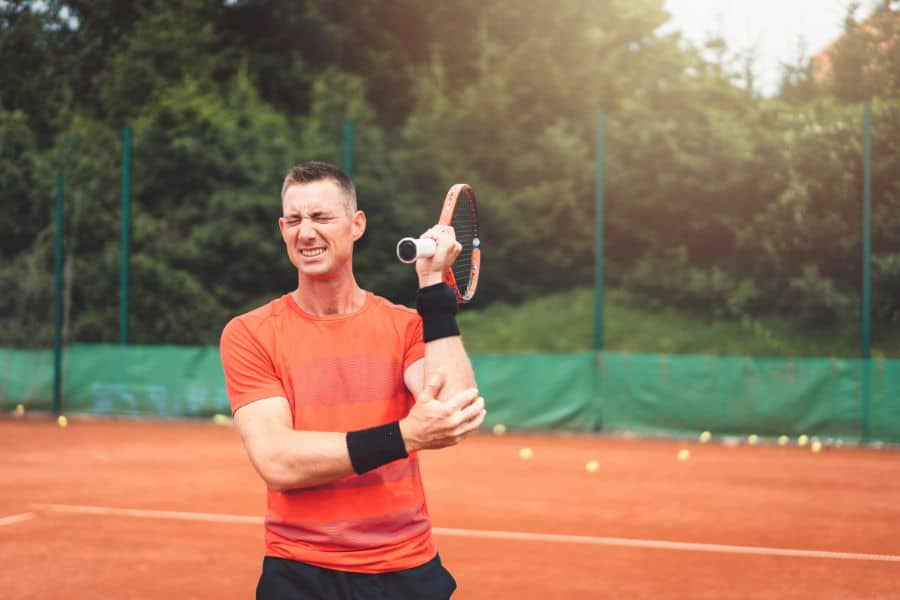
Tennis elbow (lateral epicondylitis) is an overuse injury of the tendons on the outside of the elbow. These tendons connect the forearm muscles to the bone and are heavily used during:
- gripping
- lifting
- turning the forearm
- repetitive wrist use
With prolonged or incorrect loading, tiny micro-tears develop in the tendon tissue, leading to pain and loss of strength.
Why you don’t need to play tennis
The name is misleading. Tennis elbow doesn’t come from tennis, but from repetitive strain without enough recovery. This can be caused, for example, by:
- prolonged computer and mouse use
- working with tools
- a lot of lifting or carrying
- strength training with poor technique
- repetitive twisting or gripping
The elbow keeps getting the same stimulus, while the body doesn’t get enough time to recover.
The symptom is in the elbow, but the cause often isn’t
Even though the pain is clearly in the elbow, the cause is often higher up in the body. Think of:
- reduced mobility in the neck or upper back
- limited shoulder function
- increased tension in the forearm muscles
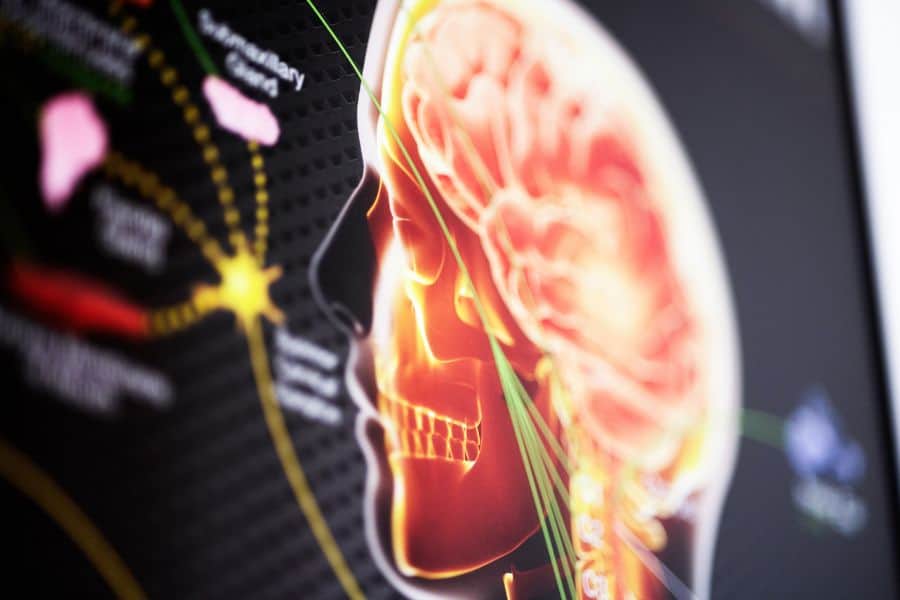
- disrupted control from the nervous system
The elbow then functions as the weak link in an overloaded movement chain.
Typical symptoms of tennis elbow
Many people recognise:
- pain on the outside of the elbow
- increased pain when lifting or gripping
- loss of strength in the hand or forearm
- pain when turning a key or opening a jar
- symptoms that gradually get worse
It often starts off harmlessly and creeps up on you.
Why rest is often not enough
Rest can sometimes help temporarily, but it doesn’t always solve the problem. As soon as the load increases again, the symptoms often return. That’s because:
- the cause is not addressed
- compensation patterns remain
- muscle control does not recover
Without restoring function, the elbow remains vulnerable.
What can chiropractic care do for tennis elbow?
With a chiropractic approach, we don’t just look at the elbow, but at the overall picture:
- movement function of the neck and upper back
- coordination between the shoulder, elbow and wrist
- muscle tension and coordination
- nerve signalling from the nervous system
By improving these links in the chain, load can be distributed more effectively again and the elbow gets the chance to recover.
The name says little, the signal says much more
Tennis elbow without tennis is not uncommon. It is often a sign of long-term overuse and disrupted coordination within the body. By looking beyond the painful spot, you reduce the chance of the problem coming back again and again.
Questions or want to book an appointment?
Are your elbow symptoms persisting or limiting your work or sport?
At Chiropractie Blaauw we look for the cause behind the problem.
Feel free to get in touch via e-mail or call 0182 – 570124.